ICNC Summer Institute
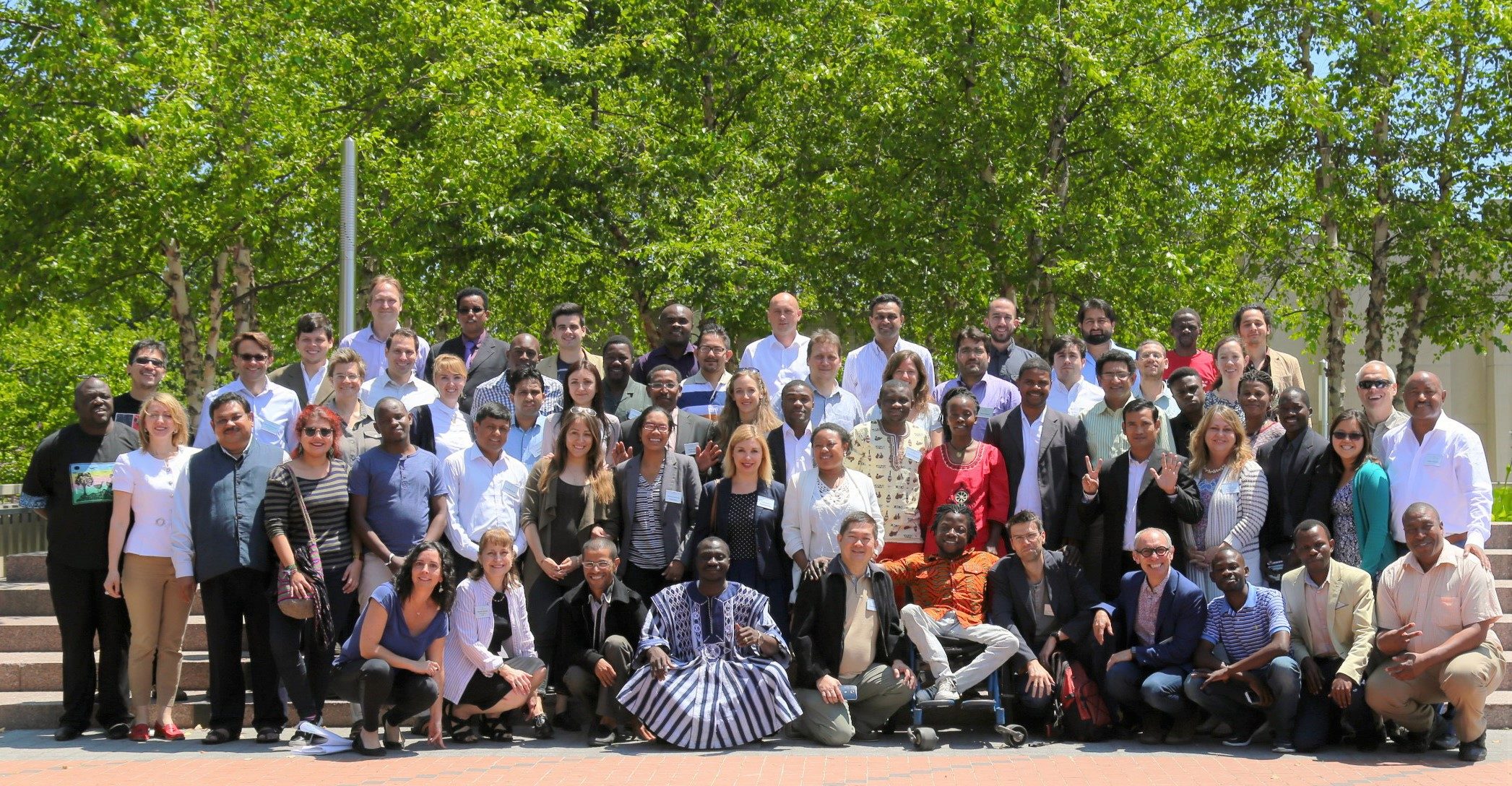
The ICNC Summer Institute for the Advanced Study of Nonviolent Conflict (also known as the Fletcher Summer Institute) was held annually from 2006-2016. It was a pioneering advanced 5-6 day course in movement organizing and nonviolent civil resistance. Out of a competitive pool of thousands of applicants, nearly 500 talented people around the world attended the 11 Institutes, and many are sharing and putting into practice the concepts, strategies, and skills learned.
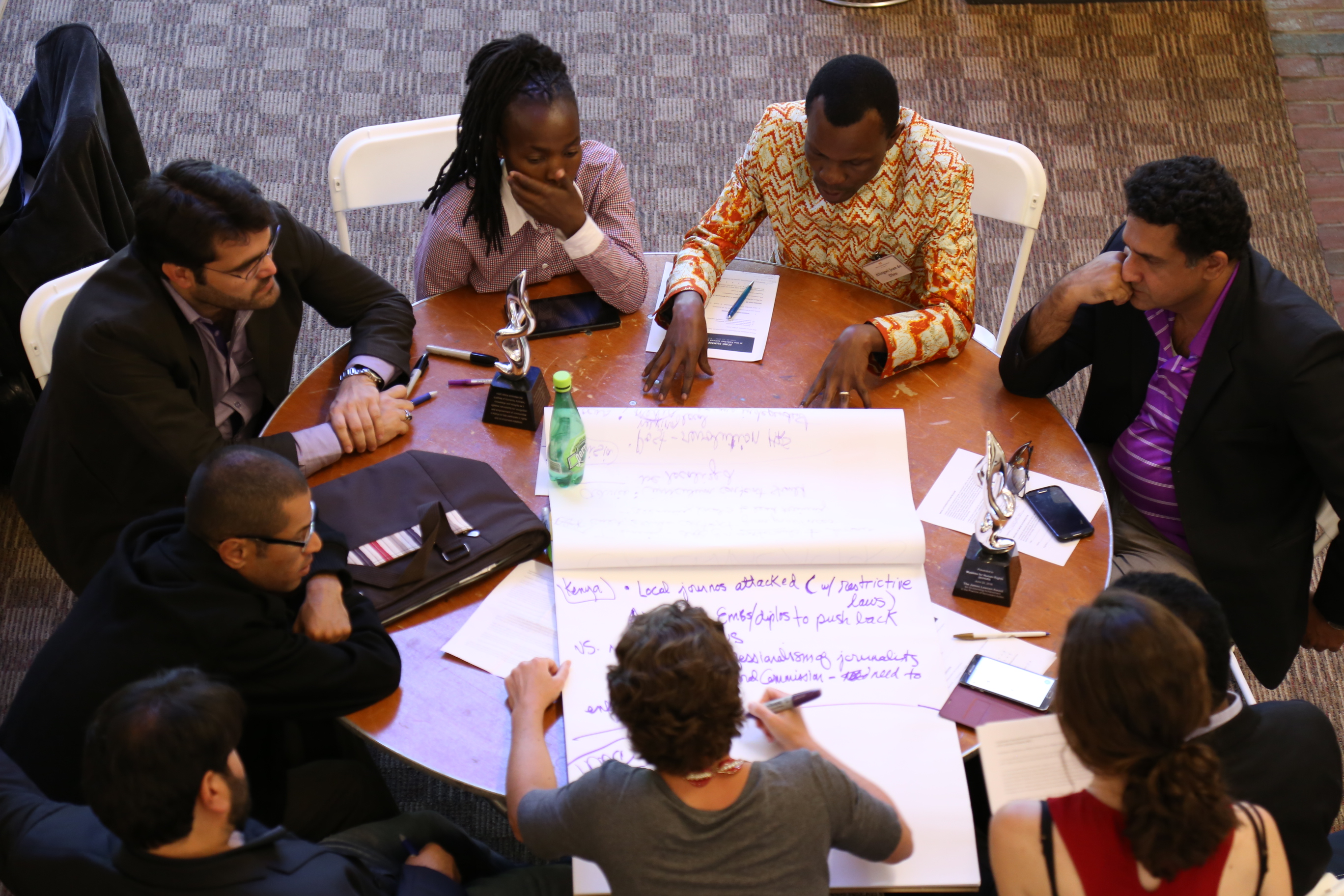 The program was taught by leading international scholars, practitioners, organizers and activists from past and current struggles. It provided both a firm academic grasp of the subject of civil resistance as well as a practical understanding of the use of nonviolent struggle in a variety of conflicts for a wide range of goals. Graduates received a certificate in the Advanced Study of Nonviolent Conflict. We are grateful to be connected with these remarkable individuals.
The results of this decade-long program have been remarkable and exceeded our most positive expectations. At the same time, with demand growing rapidly across all of our program areas, we have decided to focus on developing a series of Regional Institutes around the world to reach more people in more languages.
Topics Covered
The ICNC Summer Institute was dedicated to improving knowledge of how grassroots civil resistance movements form, organize, strategize, mobilize, build coalitions, communicate, select tactics, negotiate, and create change. Diverse movements for diverse causes were discussed, and complex issues such as the role of external actors in supporting or suppressing civil resistance, civil resistance movements and the challenges of democratic transitions, and strategies that movements use to respond to violent repression and armed insurgency were also addressed.
The aim of the ICNC Summer Institute was to increase understanding of civil resistance so that participants could integrate that knowledge into how they do their professional work. International professionals came away with a better understanding of how civil resistance movements function and the dynamics of nonviolent power and change. Journalists obtained a better understanding of how to analyze and cover civil resistance movements. Civil society leaders and other practitioners acquired rich ideas about strategy, tactics, communications and a variety of other areas that movements must consider. Educators discovered new ideas about how to teach and share knowledge about civil resistance. All participants came with new information about case studies, comparative analyses, and the global scope of civil resistance taking place in the world today.
In addition to the knowledge imparted through the various presentations during the week, a great deal of knowledge was contributed by the ICNC Summer Institute participants, who shared their experience, perspectives, and ideas to enrich the discussions. The ICNC Summer Institute was a place where interdisciplinary learning, creativity, networking and new friendships flourished.