ICNC offered a moderated online course on civil resistance in partnership with the International Institute for Peace at Rutgers University Graduate School, which took place from October 9 to November 17, 2015.
Use the following links to navigate:
- Applications, admission and course participants
- Course moderation
- Course content
- Final evaluation results
- Selected testimonials
Applications, admission and course participants
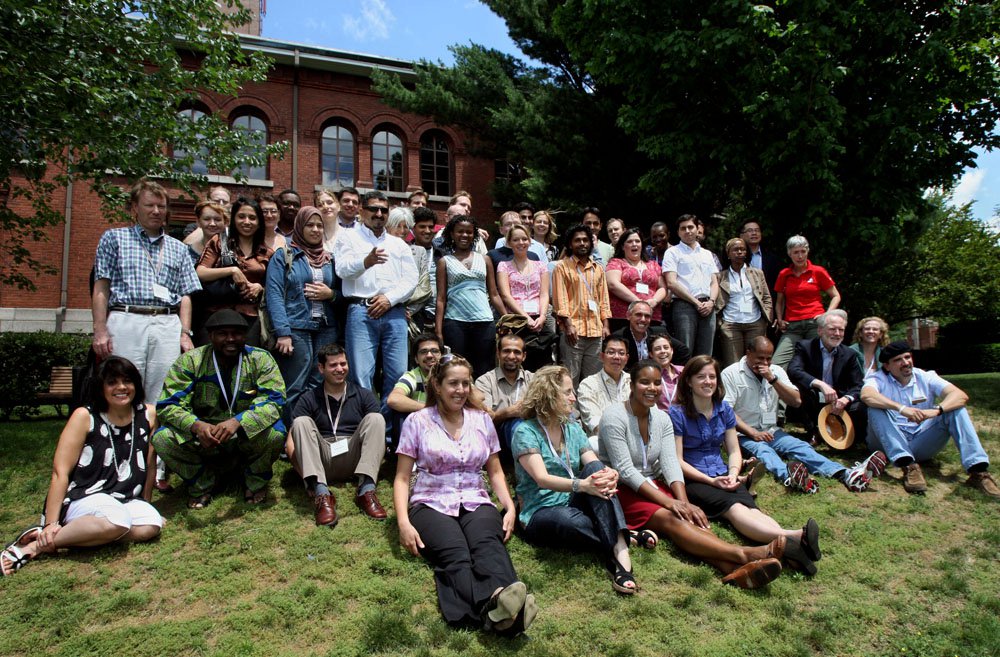
ICNC received 142 applications and accepted 62 participants. The selected participants came from 26 countries, and included activists and organizers, international development and human rights professionals, journalists, educators, and students.
Six ICNC staff members moderated various discussion forums in the online course, adding significant value to the overall educational experience. The course moderators included: Dr. Maciej Bartkowski, Shaazka Beyerle, Althea Middleton-Detzner, Amber French, Katherine Hughes-Fraitekh. The course administrators were David Reinbold and Cathy Smith.
Check what participants thought about the course moderation.
In addition to the interventions in the discussion forums, course moderators provided weekly summaries from the forum discussions in a particular module, highlighting key points made, debates taking place and core information that was shared.
The online course consisted of an introduction and six thematic modules. Each thematic module was released at the beginning of the week and the participants and moderators would engage in different forums of the module throughout the week. A detailed course outline is provided below.
Check out what participants thought about the course content.
Module 1. Foundation of Civil Resistance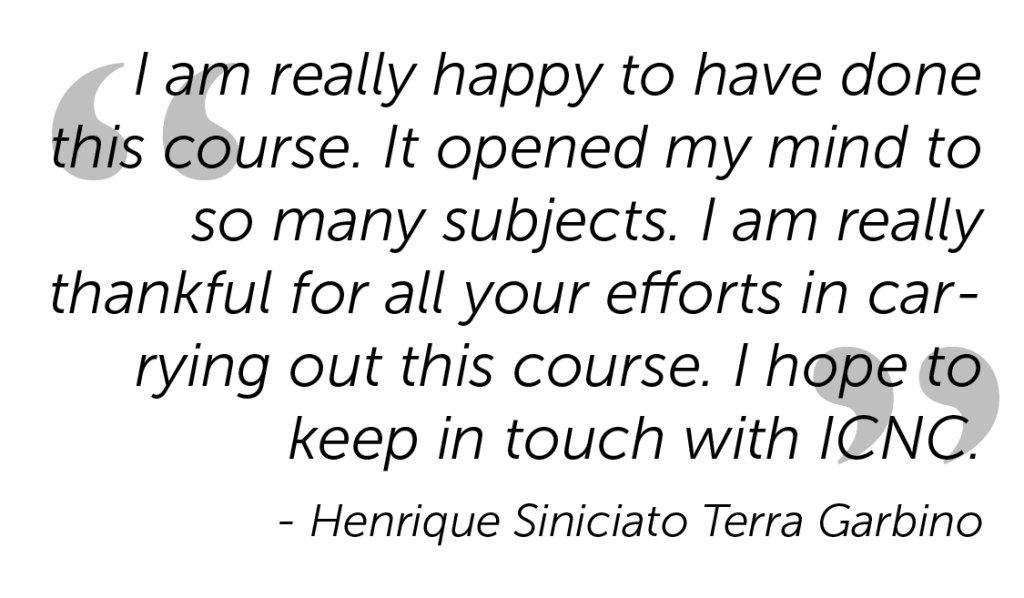
What Is Civil Resistance?
People and Power
Effectiveness of Civil Resistance
Module 2. Emergence of Civil Resistance, Conditions and Skills
Emergence of Civil Resistance Movements
Conditions and their Impact
Skills Drive Civil Resistance
Module 3. Strategies and Tactics of Civil Resistance
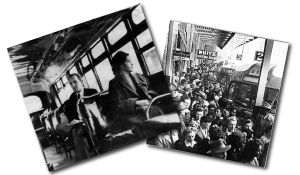
Nashville Lunch Counter Campaign (U.S. Civil Rights Movement)
Strategic Planning and Tactical Choices
Cultural Resistance Tactics
Tactical Innovation
Conflict Analysis Tools
Module 4. Repression and Backfire, Defections, Violent Flank
Repression and Backfire
Defections
Violent Flanks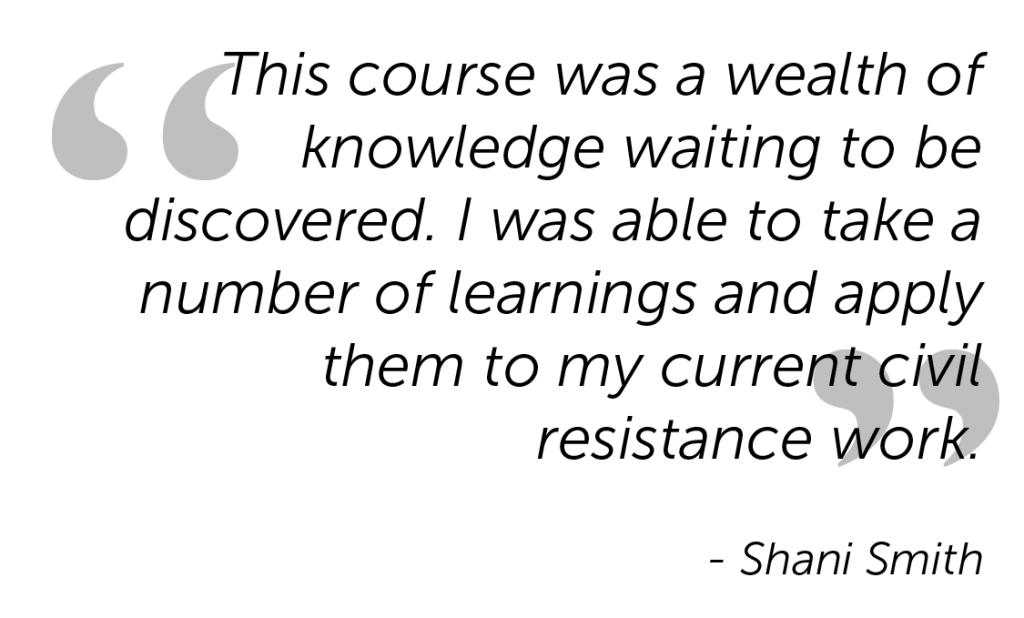
Module 5. Variety of Topics on Civil Resistance
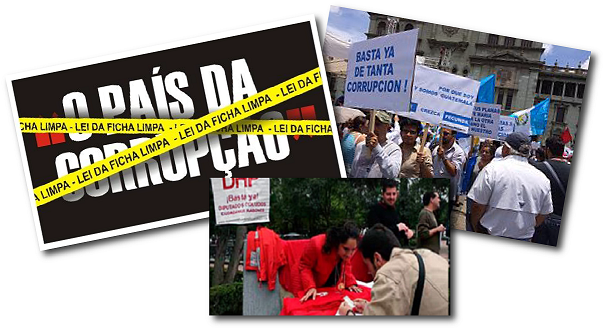
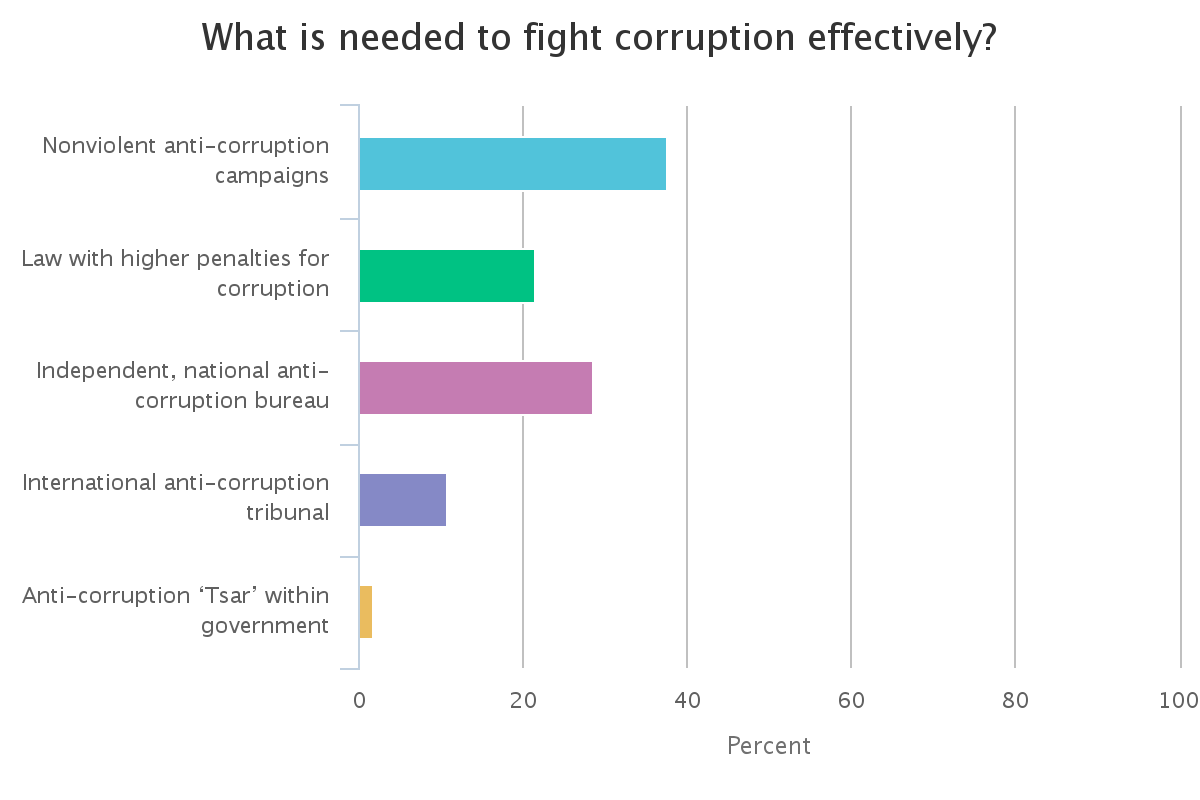
People Power versus Corruption and Impunity
Civil Resistance in War-Torn Environments
Women and Nonviolent Resistance
Communication Strategies for Civil Resistance
Module 6. Variety of Topics of Civil Resistance
External Actors and Civil Resistance
Civil Resistance and New Technologies
Democratization and Civil Resistance
Civil Resistance and Corporate Governance
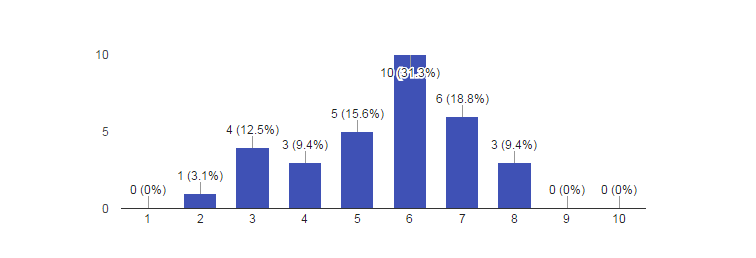
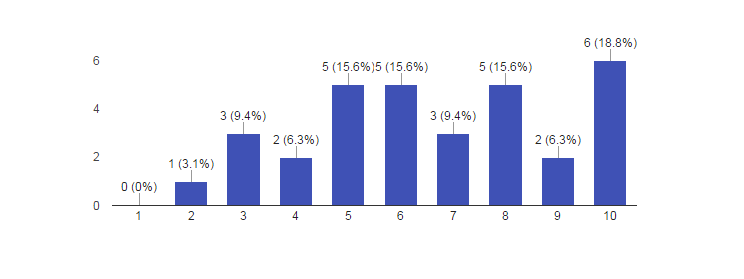
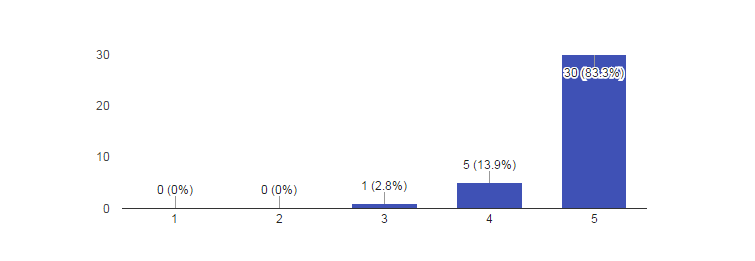
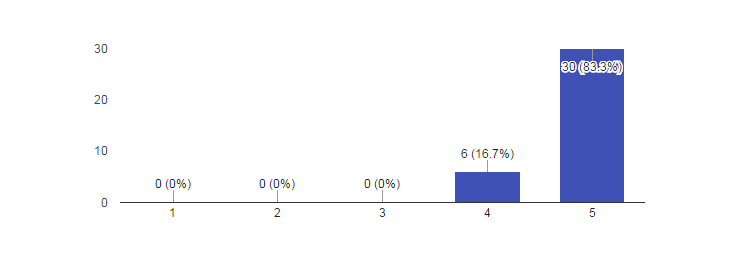
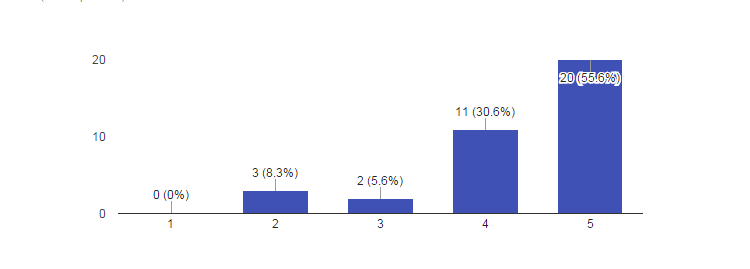
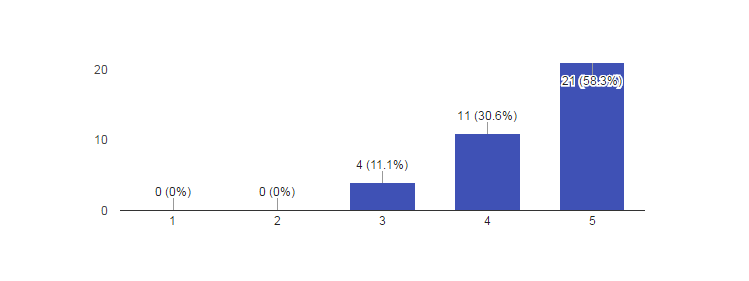
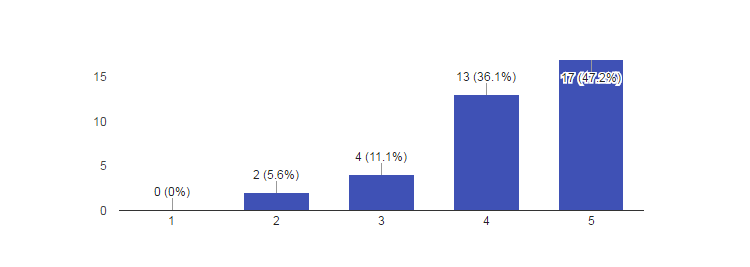
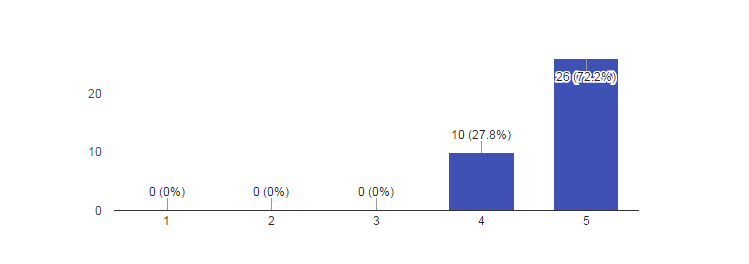
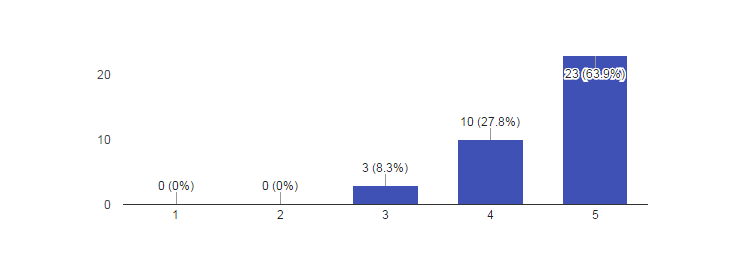
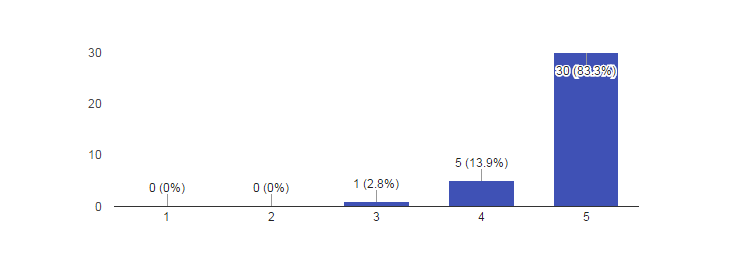
Included below are graphed responses to selected questions from the final course evaluation.
- Course content
- Knowledge gains
- Learning from other participants
- Quality of course moderation
- Meeting participants’ expectations
- Recommending the course
- Course relevance to work/study/activism
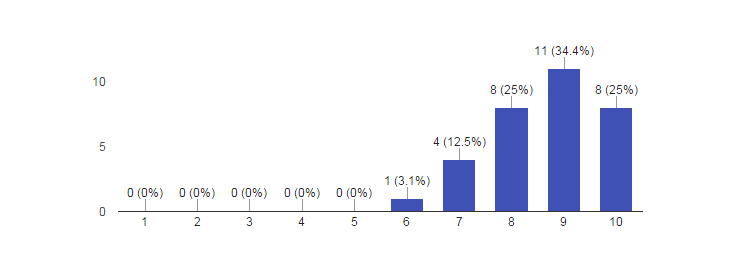
1. Course content was organized and planned
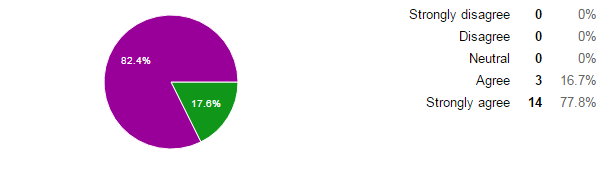
2. Course modules and content were timed and sequenced well
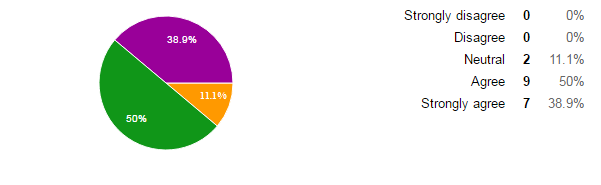
3. Course content was comprehensive, balanced and topics well selected
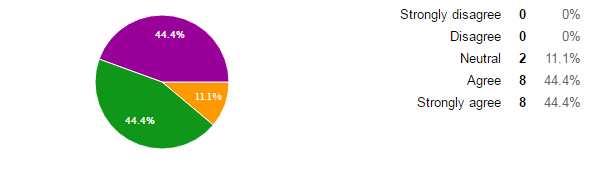
4. I now have more knowledge about civil resistance and its various topics than I had before taking the course

Learning from other participants
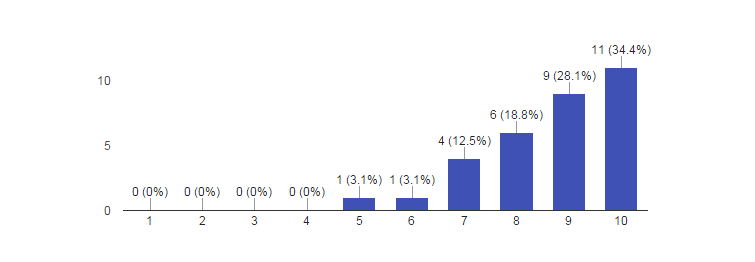
5. I learned about civil resistance from course participants
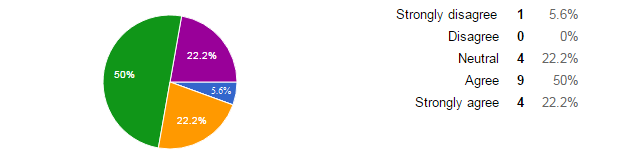
6. I learned about civil resistance from course moderators
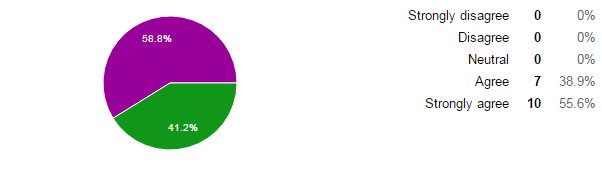
7. Course moderators offered useful comments
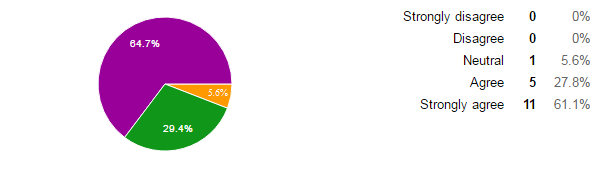
8. I found module summaries shared by moderators relevant and helpful
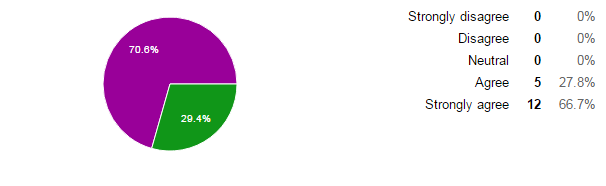
Meeting participants’ expectations
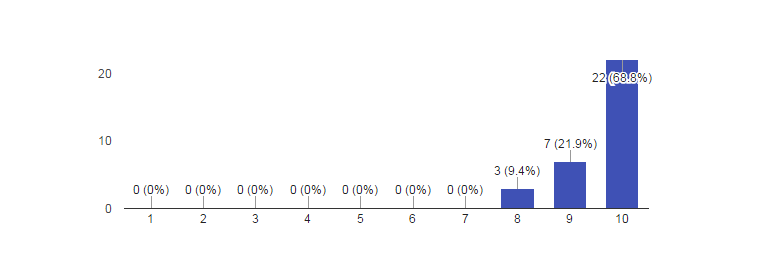
9. Course met or exceeded my expectations
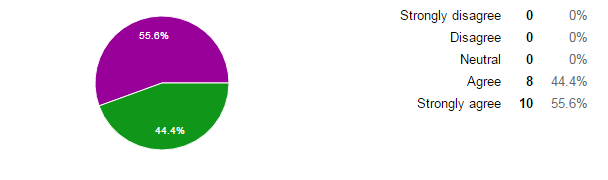
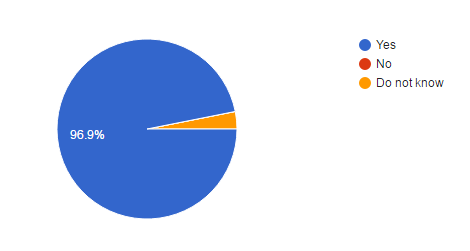
10. I would recommend this course to other people
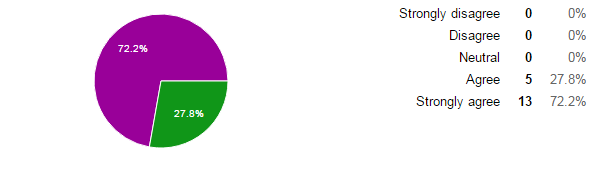
Course relevance to future study/work/activism
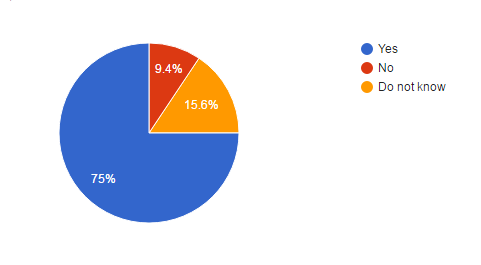
11. I expect the knowledge from the course to be relevant in my future study/work
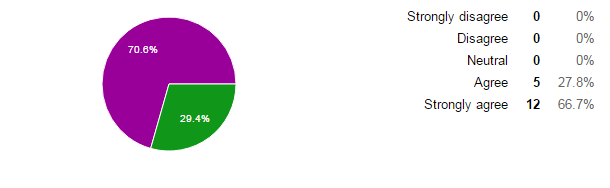
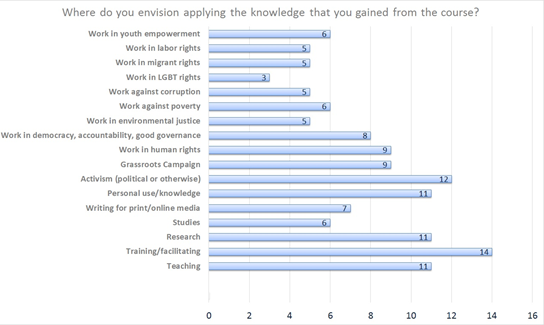
12. Where do you plan to apply the knowledge from this course?
“This course was a wealth of knowledge waiting to be discovered. I was able to take a number of learnings and apply them to my current civil resistance work.”
– Shani Smith, ICNC online course participant, 2015
“This is a great, rigorous course on civil resistance from start to finish, covering more ground than you imagine is possible!”
– Rivera Sun, ICNC online course participant, 2015
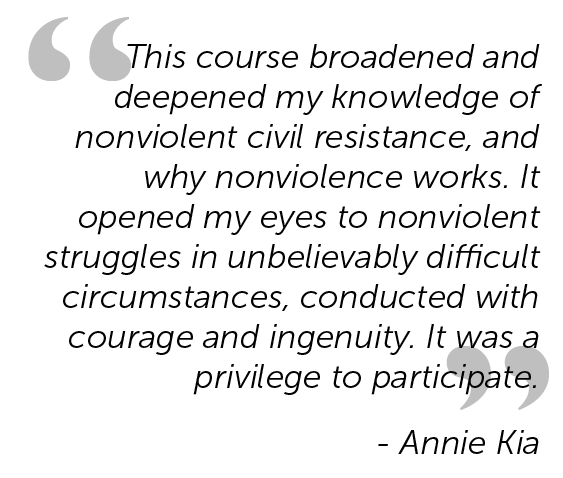
“I am really happy to have done this course. It opened my mind to so many subjects. Since I am in the military, [nonviolent conflict] may sound counterintuitive (even though by our own doctrine it should not), but now I will always think of the nonviolent option as probably the most effective one. I am really thankful for all your efforts in carrying out this course. I hope to keep in touch with ICNC.”
– Henrique Siniciato Terra Garbino, ICNC online course participant, 2015
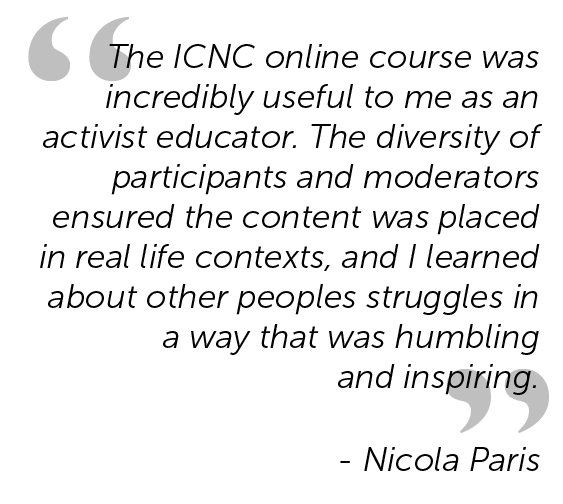
“This is exactly the kind of course I was expecting to complete my quest of more diversified and deeper knowledge, opinions, thoughts and good practices ( from the other participants) on civil resistance. I have definitely gained new approaches to strengthen my human rights activist daily struggle on the ground.”
– Yves Boukari Traore, ICNC online course participant, 2015
“Thank all our Moderators and facilitators of their courage, professionalism and experience they demonstrated in making this a true learning process and experience in my life long career in Global Peace education. Thank you.”
– Kamara Ibrahim, ICNC online course participant, 2015






 at 12 p.m. EST




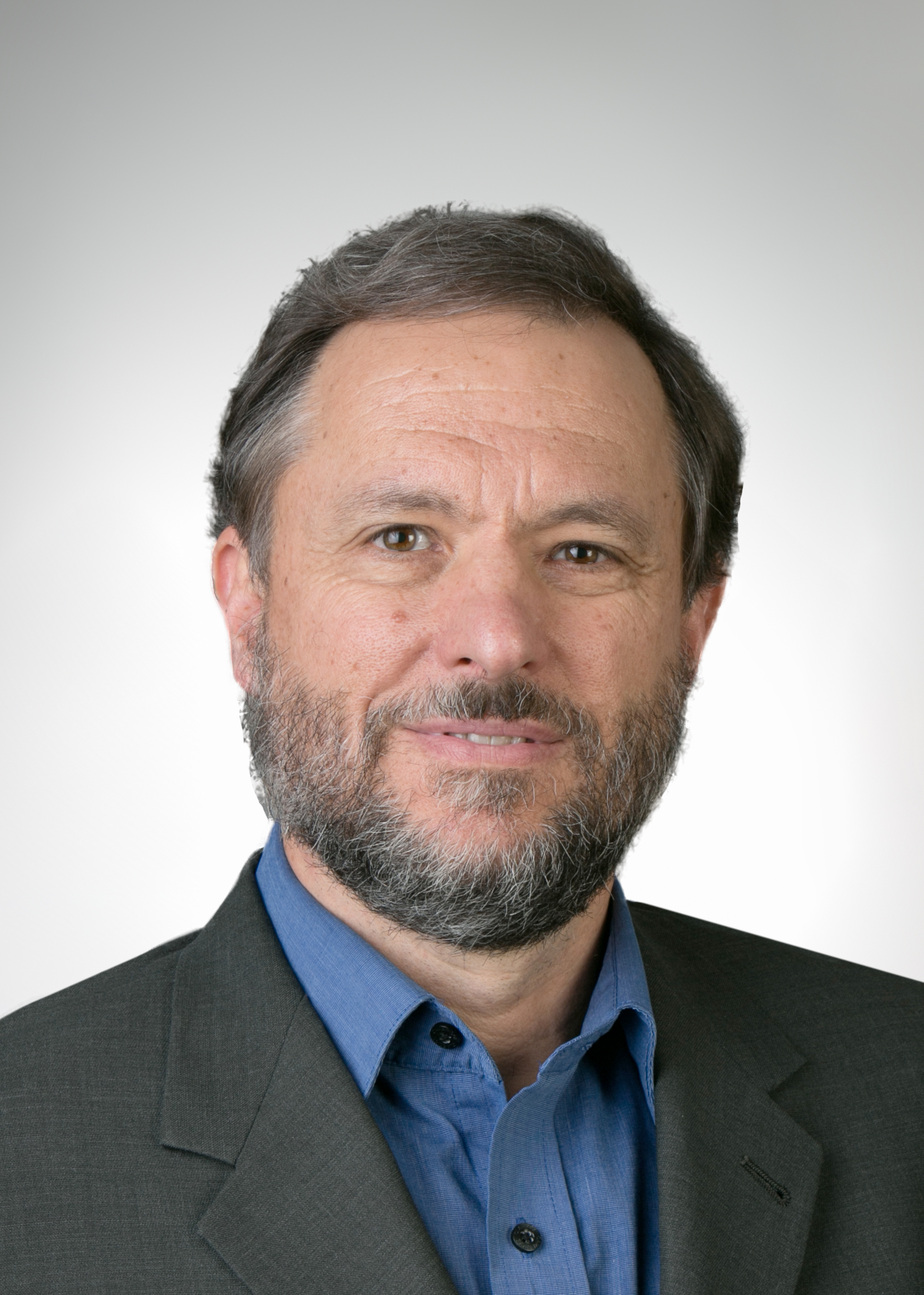
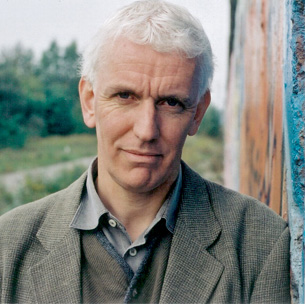
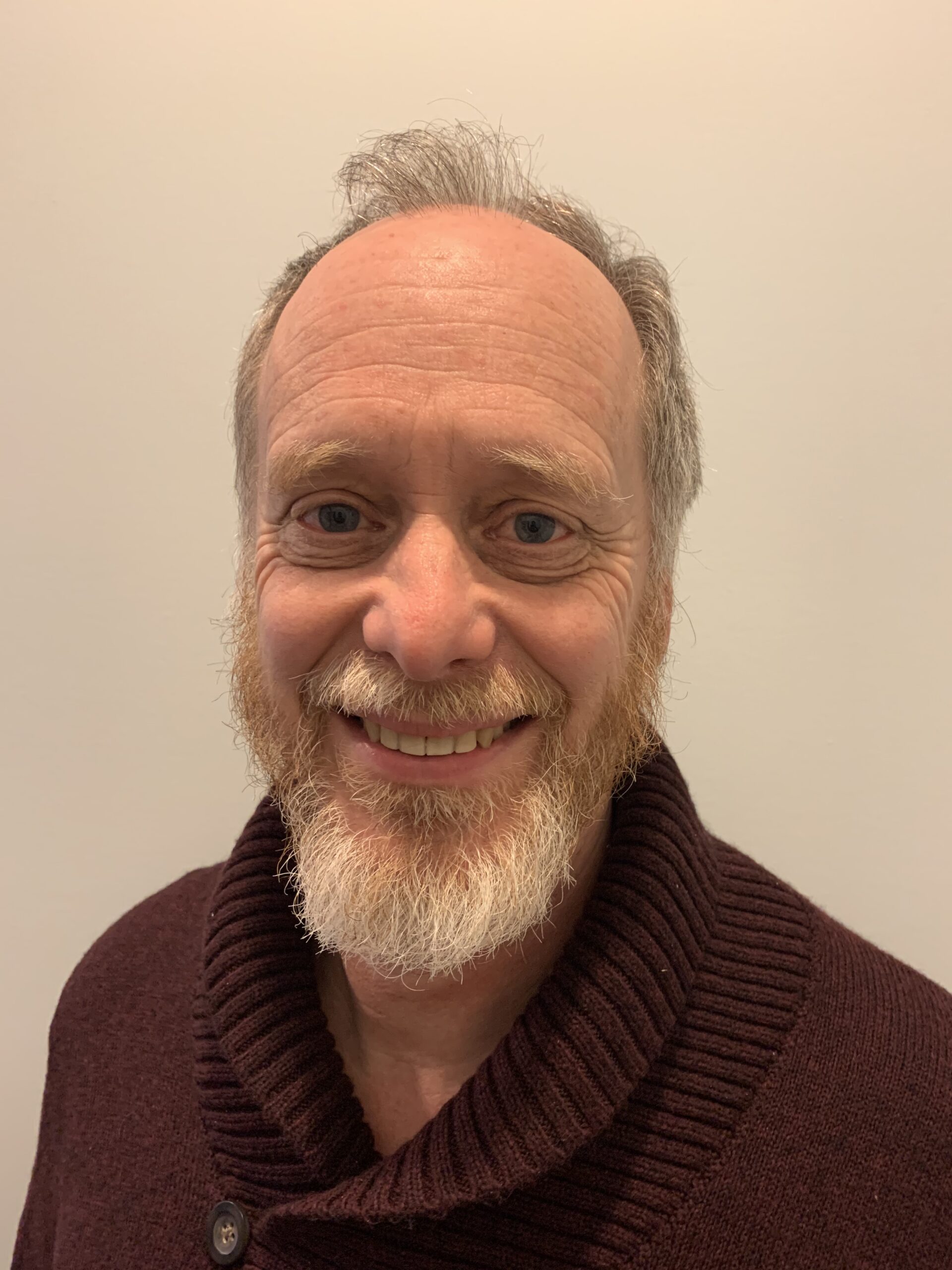 Michael Beer serves as the Director of Nonviolence International, an innovative and respected Washington DC based nonprofit promoting nonviolent approaches to international conflicts. Since 1991 he has worked with NVI to serve marginalized people who seek to use nonviolent tactics often in difficult and dangerous environments. This includes diaspora activists, multinational coalitions, global social movements, as well as within countries including: Myanmar, Tibet, Indonesia, Russia, Thailand, Palestine, Cambodia, East Timor, Iran, India, Kosovo, Zimbabwe, Sudan, and the United States. Michael Beer has a special expertise in supporting movements against dictators and in support of global organizing for justice, environment, and peace. Michael co-parents two teenagers with his patient life partner, Latanja.
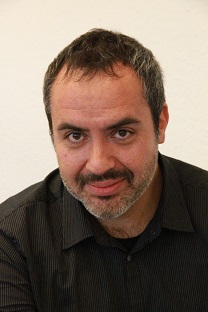



 Ivan Marovic was one of the leaders of Otpor, the student resistance movement that played an important role in the downfall of Slobodan Milosevic in Serbia.

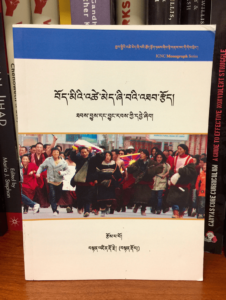
 Abstract: New research has recently raised the profile of nonviolent civil resistance as a major and particularly effective form of political struggle. Yet the dynamics of nonviolent movements for change in repressive non-democracies remain poorly-understood. In particular, little empirical research has addressed the crucial question of nonviolent discipline; how the leaders of nonviolent movements maintain their followers’ adherence to nonviolent practice, an aspect of civil resistance often argued to be crucial in explaining its success. In this monograph I use new event-level data from the Nonviolent and Violent Campaigns and Outcomes (NAVCO) 3.0 dataset as well as comparative case studies to answer crucial questions about the aspects of movement tactics, strategy, and organization, as well as the broader political and social environment, which facilitate or undermine nonviolent discipline. The findings of this study will increase scholarly knowledge of the dynamics of civil resistance, as well as providing important insights for activists, civic educators, and policymakers.

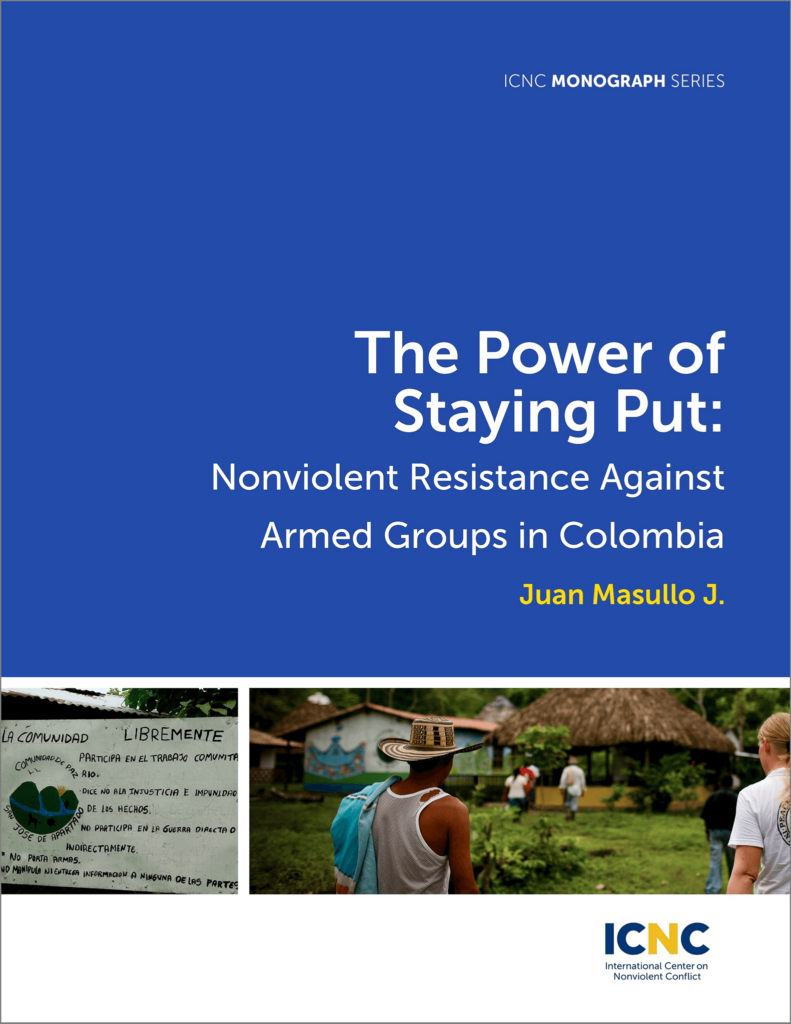 By Juan Masullo J., Department of Political and Social Sciences at the European University Institute (EUI)


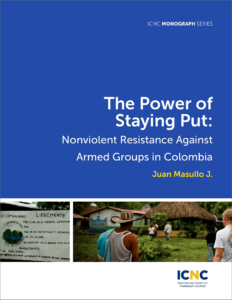 Confronted with civil war, local civilians typically either collaborate with the strongest actor in town or flee the area. Yet civilians are not stuck with only these choices. Collectively defying armed groups by engaging in organized nonviolent forms of noncooperation, self-organization and disruption is another option. This monograph explores this alternative through sustained and organized civil resistance led by ordinary peasants against state and non-state repressive actors in Colombia’s longstanding civil war: the case of the Peace Community of San José de Apartadó.









 This seminar aims to facilitate learning and teaching on basic themes in civil resistance studies. This course provides a foundation knowledge on civil resistance, including its history and commonly employed strategies. It discusses topics such as Pakistan’s nonviolent history, Abdul Ghaffar Khan, nonviolent strategies against violent extremism, and the role of Islam and civil resistance. The course examines challenges and opportunities for nonviolent mobilization and campaigns, drawing on lessons from the region. Finally, the course discusses how to teach and train young people in the field of civil resistance.
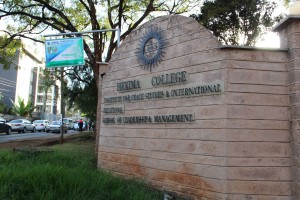 This seminar aims to provide a general introduction to civil resistance, examining its history and common misconceptions. It discusses movement formation as well as effective strategies and tactics commonly used in nonviolent campaigns. Other topics include mobilization, repression & backfire, and the roles of women and external actors. A session in the program also included case studies while looking into contemporary nonviolent campaigns in West Africa and the challenges, opportunism, and impact associated with them.
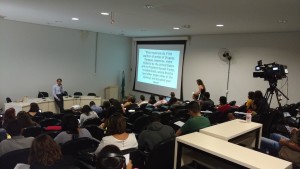 This is a multidisciplinary seminar designed to facilitate learning on the part of participants. The goal of the course is to offer an introduction to the field of civil resistance studies and analyze the driving ideas behind it, discussing various case studies, tactics, and research materials.
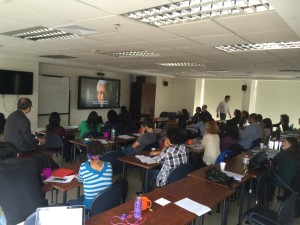 This course provides general introduction to the field of civil resistance, explore different understandings of political power in society with regard to the practice of organized, mass-based civil resistance and discuss why civil resistance can be an effective force for bringing about a significant political change.
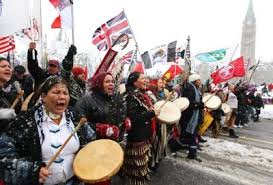

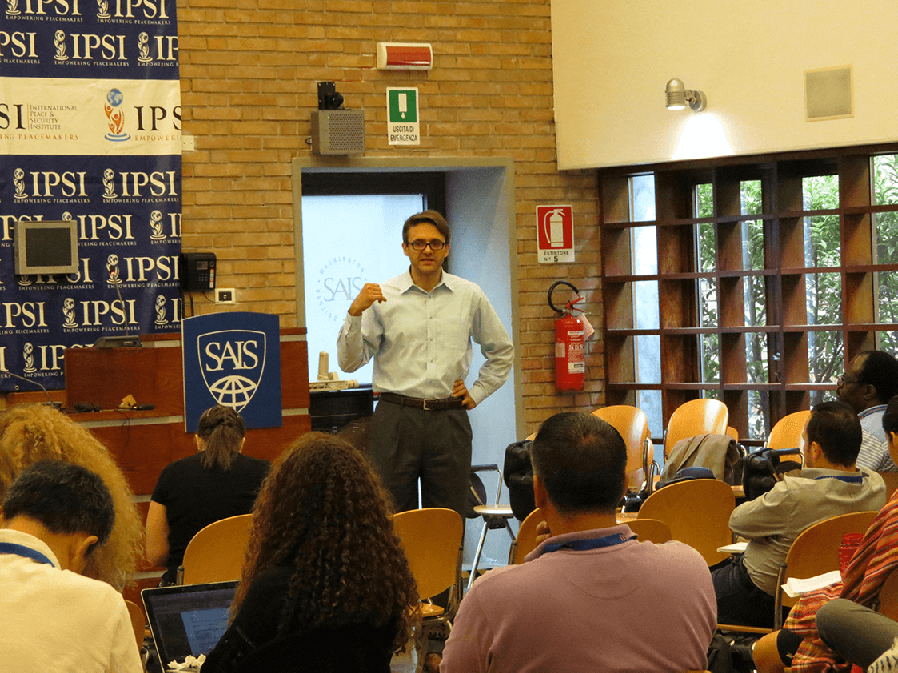

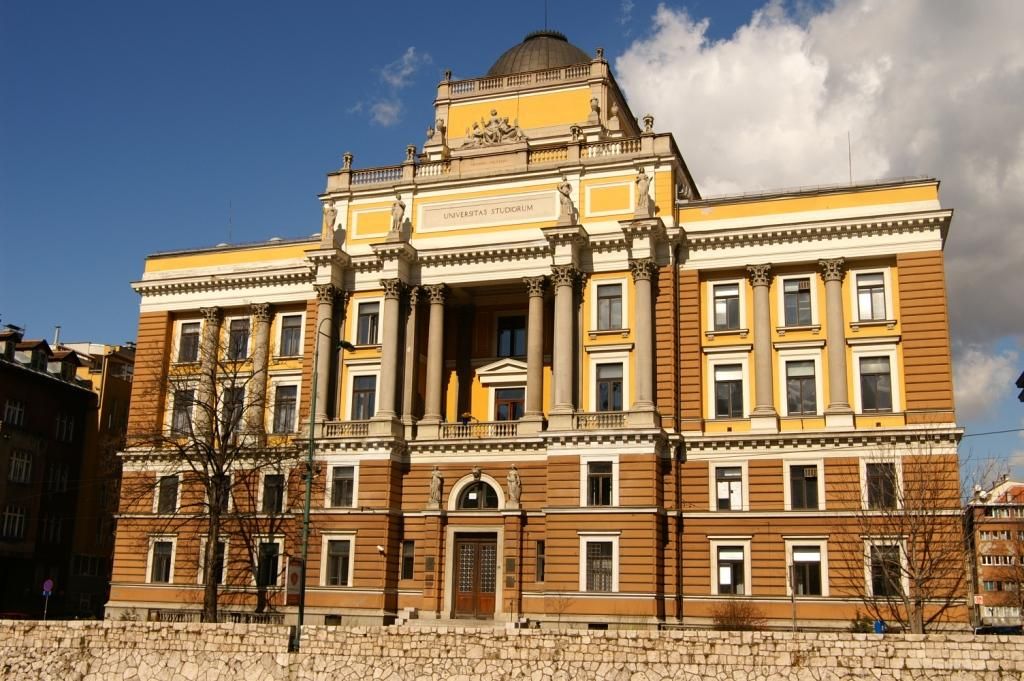


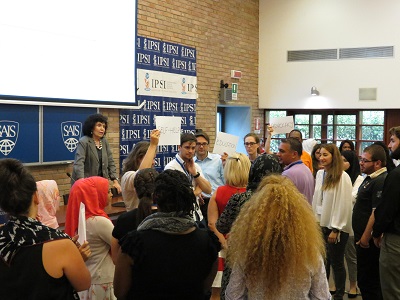
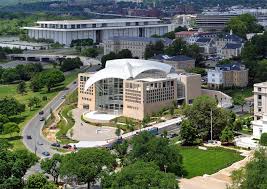

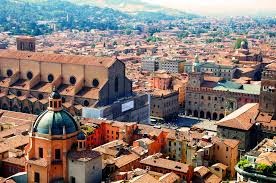
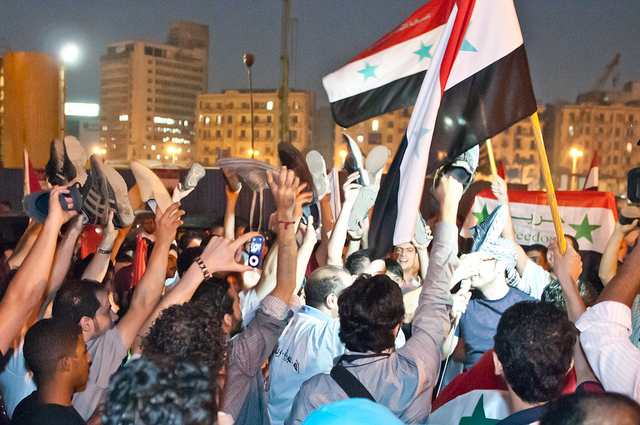
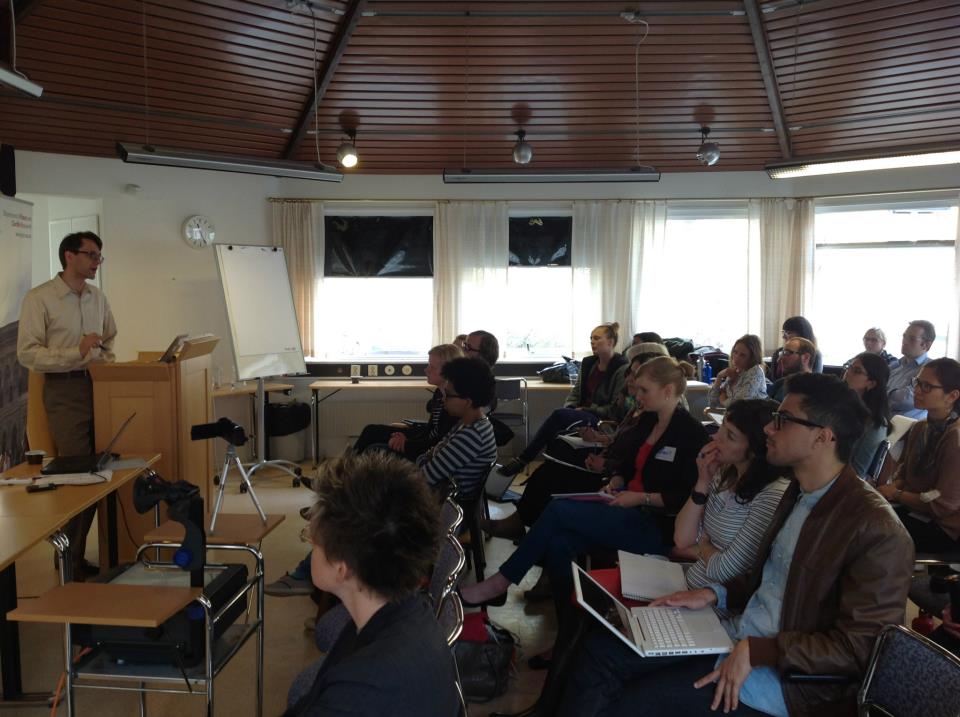
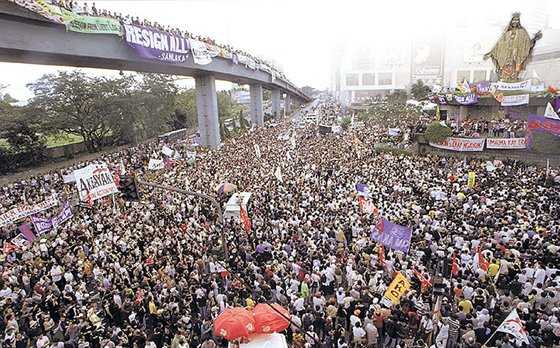
 This participatory short course was designed to provide a multi-disciplinary perspective on nonviolent, civilian-based movements and campaigns that defend and obtain basic rights and justice around the world – from Zimbabwe to West Papua, Mexico to China, and throughout the Middle East-North Africa region. Historically, political change in countries that curtail freedom and ignore international human rights norms has been difficult to achieve. Violent revolution or the use of armed force by external actors is typically seen as the primary means of overcoming oppression. Yet people power, relying on a variety of methods of nonviolent action, has been used for this purpose for well over a century in different parts of the world, by different peoples and societies, in different cultures and political systems, and with some impressive results as well as some apparent failures. Furthermore, countries that experience bottom-up, civilian-based resistance are known to have a better track record of successful democratic transitions than the states that initiated their systemic transformation after a protracted civil war, or due to top-down, elite-to-elite negotiations or external military interventions.
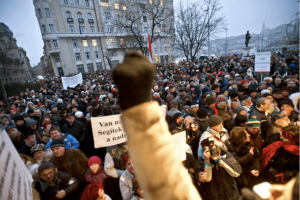 This course was designed to provide an in-depth and multi-disciplinary perspective on civilian-based movements and campaigns that defend and obtain basic rights and justice around the world – from Egypt to Russia, from Zimbabwe to West Papua. Civil resistance, relying on a variety of methods of nonviolent action, has been used for this purpose for well over a century in different parts of the world, by different peoples and societies, in different cultures and political systems, and with impressive results as well as some apparent failures.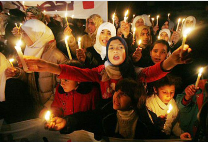
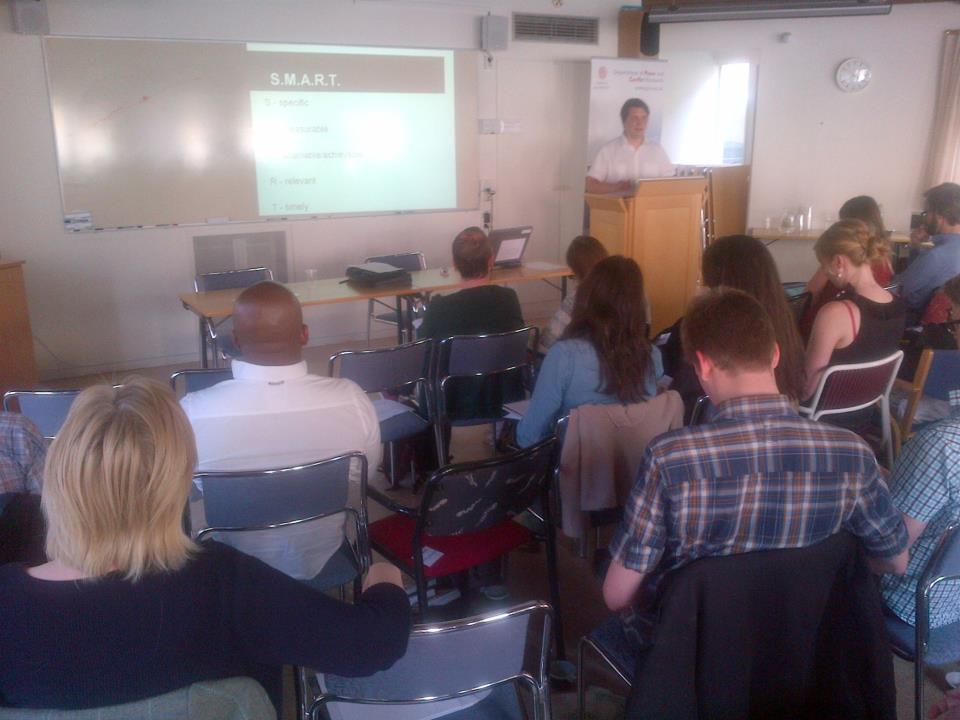
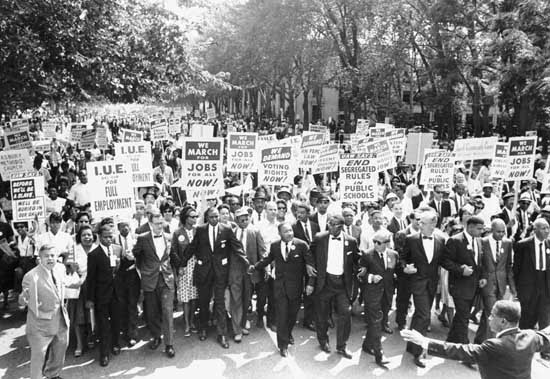

 This ICNC course addressed the void of academic study on civil resistance as a tool for ordinary people to achieve basic rights and justice, despite a long history of the practice of civil resistance and strategic nonviolent conflict that goes back at least to the eighteenth century. The course covered numerous topics that contribute to the practice and strategy of nonviolent conflict including third part actors, security defections, social media, and democratic transition.